1) Industrial Security
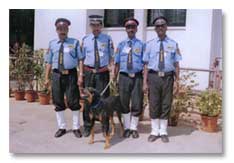
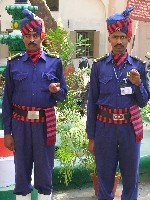
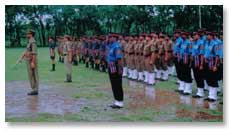
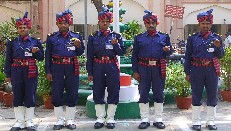
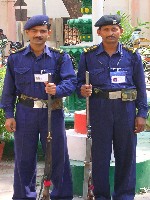
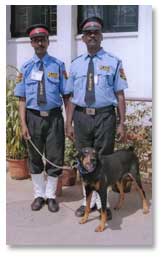
We provide industrial and commercial security for Major businesses, Government Agencies, Leading Banks, Public Sector Companies, National and International corporations, High Security Zone Installations, Schools and Institutions, Department Stores, Shopping complexes, Theatres.
Our job responsibilities vary with the size, type, and location of the client. In department stores, our guards protect people, records, merchandise, money, and equipment. They often work with undercover store employees to prevent theft by customers or store employees and help in the apprehension of shoplifting suspects prior to arrival by police. Some shopping centers and theaters have our officers mounted on motorbikes or bicycles who patrol their parking lots to deter car theft and robberies.
In office buildings, banks, and hospitals, our guards maintain order and protect the institutions’ property, staff, and customers. At transportation facilities, our guards protect people, freight, property, and equipment. They screen passengers and visitors for weapons and explosives using metal detectors and high-tech equipment, ensure nothing is stolen while being loaded or unloaded, and watch for fires and criminals.
Our guards who work in public buildings such as museums or art galleries protect paintings, exhibits by inspecting people and packages entering and leaving the building. In factories, laboratories, government buildings, and high securites zone installations our security officers protect information, products, and check the credentials of people and vehicles entering and leaving the premises.
Our guards working at universities, parks, and sports stadiums perform crowd control, supervise parking and seating, and direct traffic. Our guards may be stationed at a guard desk inside a building to monitor electronic security and surveillance devices or to check the credentials of persons entering or leaving the premises. They also may be stationed at a guardhouse outside the entrance to a gated facility or community and use a portable radio or cellular telephone that allows them to be in constant contact with a central station.